

TF2 Unusual hats sit at the intersection of cosmetic flex and real market economics. If you’ve spent any time in the trading scene, you already know that the purple-quality tag on a hat means something significant, both in-game and in terms of actual value. What’s less obvious is why two hats with the same base cosmetic can differ in price by hundreds of dollars, or why the market for unusual taunts has become just as complex. A single effect shift in community perception can reprice an entire tier of items overnight.
The short answer is that Unusual hats are valuable because they are genuinely rare, with a less than 1% chance of unboxing one from any crate or case, and because the particle effect attached to each hat drives demand more than the cosmetic base itself. According to the official TF2 Wiki, there are currently 341 total effects available on cosmetics, spread across standard, seasonal, and event-specific series, which means the market is layered with effect rarity, hat rarity, and community perception all at once.
This guide treats prices as moving snapshots, not fixed facts. The 2026 market for Unusuals is active but volatile, and making a good buying or trading decision requires you to understand the mechanics behind pricing before you commit keys or real currency to a hat.
What Makes An Unusual Valuable
The value of an Unusual is rarely a simple function of the hat it’s attached to. Effect quality, visual impact, and how the community ranks that effect within its tier collectively shape what a buyer will actually pay.
How Unusual Effects Change Demand
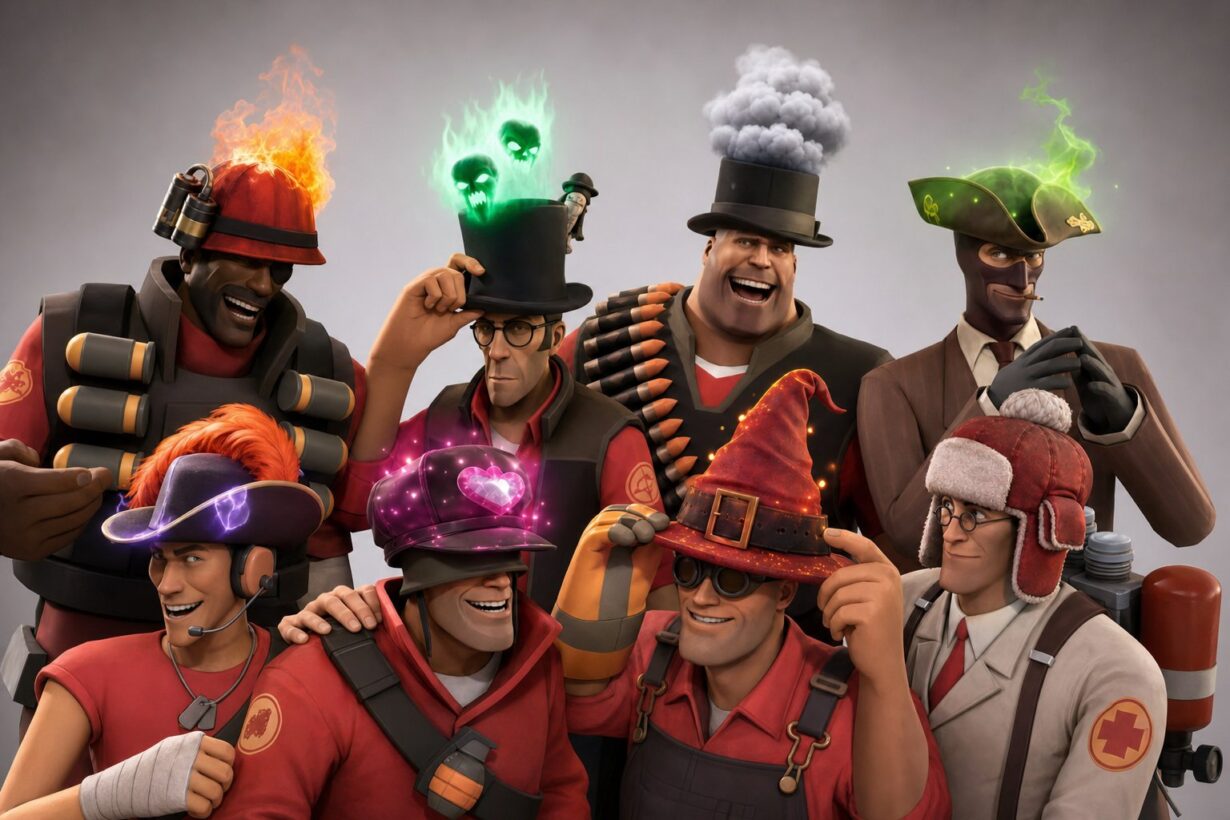
An Unusual effect is the particle animation that plays around the hat when worn. Some effects, like Burning Flames, produce a dramatic visual that’s instantly readable in a server. Others, like purple confetti or the circling peace sign, are subtle enough that many players won’t notice them at all. Effects like searing plasma or the circling tf logo offer a distinct middle ground between flashy and understated.
Demand follows visibility and prestige. A flashy, high-recognition effect on an otherwise ordinary hat will outperform a muted effect on a sought-after cosmetic. That gap can be wide, sometimes several hundred dollars wide.
Why The Effect Often Matters More Than The Hat
When you browse backpack.tf’s Unusual pricelist, you’ll notice the same hat listed at wildly different prices depending solely on its effect. A Team Captain with Burning Flames sits in a different price bracket entirely from a Team Captain with Smoking, despite the base cosmetic being identical.
This is because the effect is what people actually see during gameplay. Atmospheric effects like stormy storm or blizzardy storm change the entire mood of a loadout. The hat is the canvas; the effect is the painting. Collectors and status-focused buyers care about how the combination reads on a server, and a weak effect diminishes even an all-class, high-demand hat.
Effect Tiers And Community Perception
The TF2 trading community has developed informal effect tier systems that group effects by perceived quality and desirability. Tier 1 effects, such as Burning Flames, Sunbeams, and Scorching Flames, consistently command premiums regardless of the hat they appear on.
Mid-tier effects like kill-a-watt or terror-watt occupy a wide middle band where hat choice starts to matter more. Orbiting planets and orbiting fire are classic examples of effects that vary in value based on the specific cosmetic they are attached to. Low-tier effects, like Green Confetti or Smoking, are typically worth close to the base floor for that hat class. Community perception shifts slowly, especially when a prominent trader or content creator showcases a previously overlooked effect.
How Unusual Hats Enter The Market
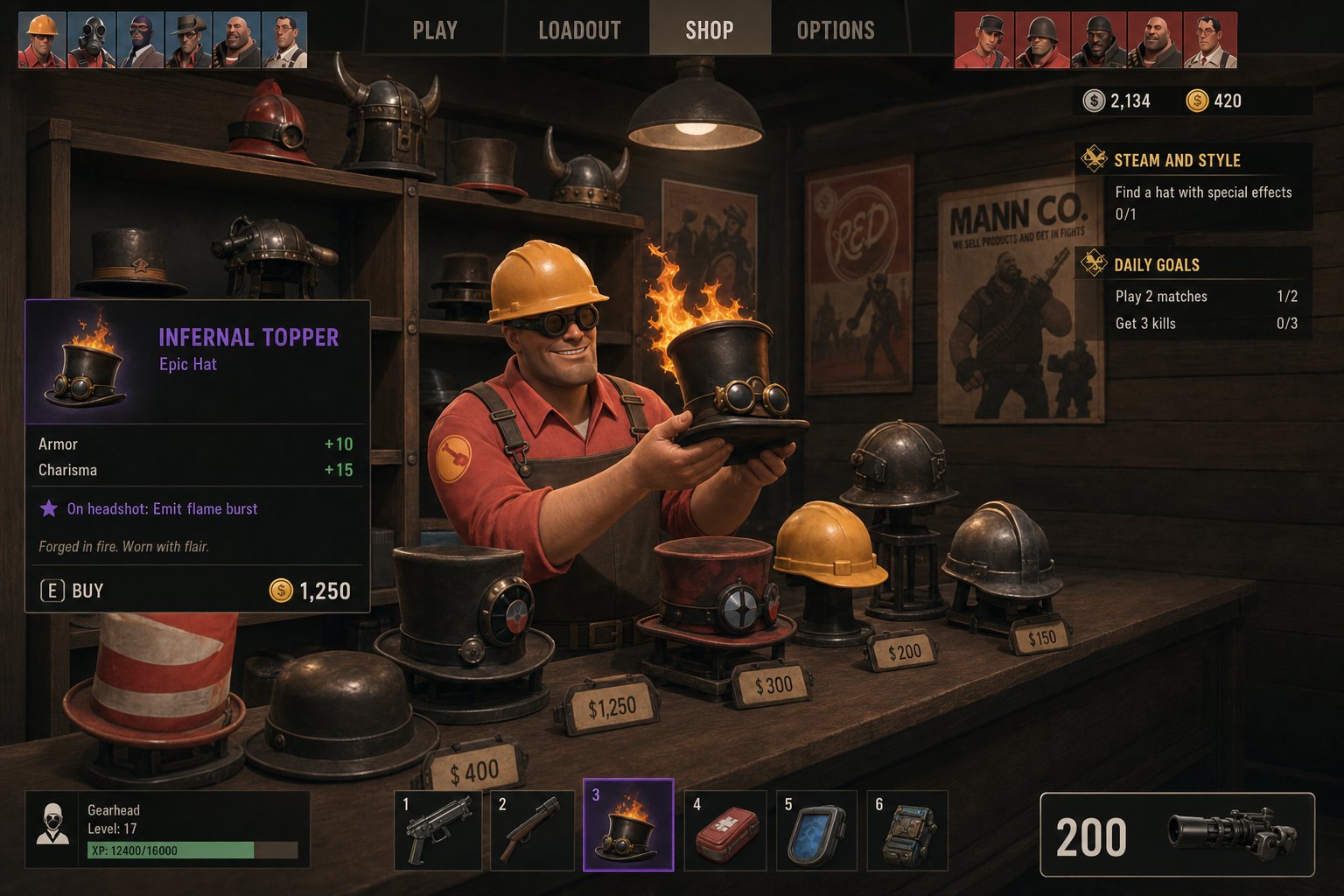
New Unusuals enter the TF2 economy almost exclusively through crate and case unboxings. However, an unusualifier can also be used to apply a random effect to a specific taunt. These mechanics explain why certain effects and hats are rarer than others.
Cases, Crates, And Eligible Cosmetics
Mann Co. Supply Crates and cosmetic cases both have a chance to produce an Unusual, but the effect pool available depends on the specific series or case you open. Standard series effects from Series 1 through Series 3 are available across a wide range of crates, while seasonal effects, like those from Scream Fortress or Smissmas events, are tied to their corresponding cases.
As noted on the TF2 Wiki’s Unusual page, opening a case restricts both the hat and effect to that case’s exclusive pool, while unboxing a general crate can award any hat from the broader Mann Co. Supply Crate pool. That distinction matters for buyers: case Unusuals often have smaller supply pools, which affects long-term pricing.
Unboxing Odds And Why They Matter
The unboxing odds for an Unusual are less than 1% per crate or case opened. That figure sounds small, but it translates to a real cost: if you’re spending roughly $2.50 per key to open crates, statistically you’d open 100 or more before expecting an Unusual, meaning the average cost to unbox one is $250 or more before accounting for what you actually get.
Those economics explain why even budget Unusuals tend to have a price floor. The cost of production through unboxing sets a natural minimum that keeps low-tier items from dropping to zero.
How Supply Shapes Long-Term Pricing
When Valve runs major events tied to crate openings, supply spikes sharply. As reported in analyses of how TF2’s economy has shifted over time, large rushes on crates flood the market with new Unusuals, which drives down prices on common effects and common hats while leaving genuinely rare combinations less affected.
Understanding supply timing helps you trade smarter. Prices for newly introduced event effects tend to be inflated immediately after an update. Conversely, older effects like dead presidents, bubbling, or the infamous massed flies have established long-term price floors based on their specific niche appeal. Retired effects become scarcer over time as items are lost to inactive accounts, pushing prices upward.
Reading The 2026 Market
The 2026 Unusual market has stratified more sharply than in earlier years, with top-end items reaching prices that require serious buyer commitment and mid-tier items remaining volatile depending on effect trends.
High-End Benchmarks Like Burning Team Captain
The Burning Team Captain remains the most recognizable benchmark in the Unusual economy. In 2026, depending on condition, history, and whether the copy is duped, prices for a Burning Team Captain typically sit somewhere in the $5,000 to $7,000 range, with clean first-generation copies pushing toward or past the high end.
The combination of Burning Flames (the most desirable Tier 1 effect) on the Team Captain (a highly coveted all-class hat) creates a multiplier effect that places it in a category of its own. That benchmark matters because it anchors the top of the market and gives you a reference point for everything below it.
Why Snapshot Prices Move Quickly
Unusual prices are not stable in the way that traditional collectibles markets might be. A single large trade getting publicized, a prominent trader liquidating their backpack, or a content creator showcasing a specific effect can shift perceived value within days.
The practical implication: always check multiple recent sales before pricing a hat, not just the listed price on a price guide. Listed prices on aggregator sites can lag behind real transaction data by weeks.
How Meta Effects Reprice Mid-Tier Hats
Meta effects are effects that the community suddenly decides are more desirable than their historical tier suggested. When this happens, the repricing isn’t gradual. A mid-tier effect that gains community momentum can double or triple the value of specific hat combinations in a short window.
Watching trading community forums and Discord servers gives you early signals on which effects are gaining traction. If you see a particular effect being requested frequently in trade threads or featured in high-profile backpack showcases, that’s a leading indicator that prices on that effect are about to move upward.
Spotting Fake Listings And Visual Scams
Fake Unusuals and visual manipulation tactics are an active threat in the TF2 trading scene in 2026. Knowing the specific methods scammers use lets you spot them before you’re in the middle of a trade offer.
How Fake Unusuals And Texture Hacks Work
A fake Unusual is typically a non-Unusual hat that has been renamed to include “Unusual” in the item name. Because TF2 allows item renaming, a scammer can make an ordinary hat look like an Unusual at a glance in a trade window. As highlighted in community trading safety guides, enabling cl_showbackpackrarities 1 in the TF2 console changes item border colors so you can immediately distinguish quality tiers visually.
Texture hacks are a separate method where a client-side modification makes a non-Unusual hat display a particle effect that only the scammer sees and records in screenshots. The effect exists only in the scammer’s client, but the fabricated screenshot is used as “proof” of an item’s appearance to push a trade.
Red Flags In Screenshots, Trades, And Showcases
Be skeptical of any screenshot as sole proof of an item’s appearance or value. Screenshots can be edited, taken with texture hacks active, or staged with renamed items. If someone is pressuring you to accept a trade based on a screenshot rather than an in-game inspection, that urgency is itself a red flag.
In live trade windows, watch for bait-and-switch behavior. A common scam pattern involves confirming a high-tier Unusual in a trade, then swapping it for a lower-tier version with the same hat base while you’re distracted. Always re-check the specific effect in the final trade window before confirming.
Why In-Game Inspection Still Matters
Inspecting an item directly in-game, either through the trade window or the item’s inspect option, shows you the actual server-side data attached to that item. It bypasses any client-side visual manipulation and confirms the true quality and effect.
This step takes less than a minute and should be non-negotiable for any Unusual trade above a few keys in value. If a trading partner resists or rushes you past the inspection step, treat that as a serious warning sign.
How To Verify Before You Trade
Verification before a significant Unusual trade combines price research, platform tools, and, in high-value cases, a trusted intermediary. Rushing any of these steps is where avoidable losses happen.
Checking Item History And Third-Party Pricing Tools
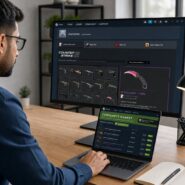
Before agreeing to any Unusual trade, search the specific item on backpack.tf to see its community price, recent trade history, and whether the item has been flagged for any reason. Cross-reference with actual recent sales rather than relying solely on the listed price, which can be outdated.
Item history shows you how many times an Unusual has changed hands and whether it’s been listed for unusually low prices in the past, a potential indicator of a previously scammed or compromised item.
Using Backpack.tf Premium And Comparable Sales Carefully
Backpack.tf Premium gives you access to expanded trade history data, including comparable sales records that show what similar item-plus-effect combinations actually sold for in recent trades. That comparable sales data is more reliable than a static price listing when you’re valuing a mid-tier or unusual-combo hat where community consensus is still forming.
Use comparable sales as a floor check, not a ceiling. Sellers in a hurry accept lower prices, so the low end of comparable sales reflects what a motivated seller will accept, while the high end reflects what a patient seller with a desirable copy might achieve.
When Middleman Verification Is Worth It
A middleman is a trusted, verified third party who holds both items during a trade to prevent either party from pulling out or substituting items. For trades above roughly $100 in value, or any trade where you have doubts about the other party’s reputation, a middleman is worth the added coordination time.
Verify any proposed middleman’s credentials independently using community trading resources and reputation threads, never through a link the trading partner sends you. Using an unverified “middleman” nominated by the other party is itself one of the most common high-value scams in TF2 trading.
Frequently Asked Questions
How do I check the current market price of an Unusual hat?
The most reliable starting point is backpack.tf’s Unusual pricelist, which aggregates community pricing and comparable sales data. Cross-reference the listed price against recent completed trades rather than treating the number as fixed, since prices can shift week to week based on supply and community demand.
Where can I safely buy Unusual hats and avoid scams?
The Steam Community Market is the most straightforward option for lower-value Unusuals since trades are handled through official Steam infrastructure. For peer-to-peer trades, use established platforms with reputation systems, verify item quality through in-game inspection, and for higher-value items use a verified middleman. Platforms like Scrap.TF and STN Trading also offer bot-based trades that reduce counterparty risk.
What are the most desirable Unusual effects and how do they rank?
Tier 1 effects widely considered most desirable include Burning Flames, Sunbeams, and Scorching Flames, with Burning Flames consistently commanding the highest premiums. Community-maintained effect tier guides track these rankings, though perception can shift when a previously undervalued effect gains community momentum.
How does Unusual trading work and what should I know before trading?
Unusual trading involves exchanging items directly through Steam’s trade system or via third-party platforms. Prices are community-driven rather than set by Valve, so you need to research comparable sales, verify item quality in-game, and understand that hats with the same base cosmetic can differ significantly in value based on their effect.
Which Unusual hats are all-class and work on every character?
All-class hats, such as the Team Captain, the Noble Amassment of Hats, and the Unusual Cap, can be equipped by all nine classes and typically carry a higher base value because demand is spread across every player regardless of their main class. As referenced in the official TF2 Wiki, all-class cosmetics see broader trading interest and tend to hold their value more consistently.
What factors cause Unusual hat prices to rise or fall over time?
The primary factors are effect tier perception, supply from new unboxings, hat scarcity, and whether the item is “clean” (never sold below value or flagged). As analyzed in examinations of TF2’s player-driven economy, major crate-opening events can spike supply and depress prices, while long periods without new supply of a specific combination push prices upward over time.

Really useful breakdown on the unusual effects. I always struggled to price the newer generation effects properly compared to the classics