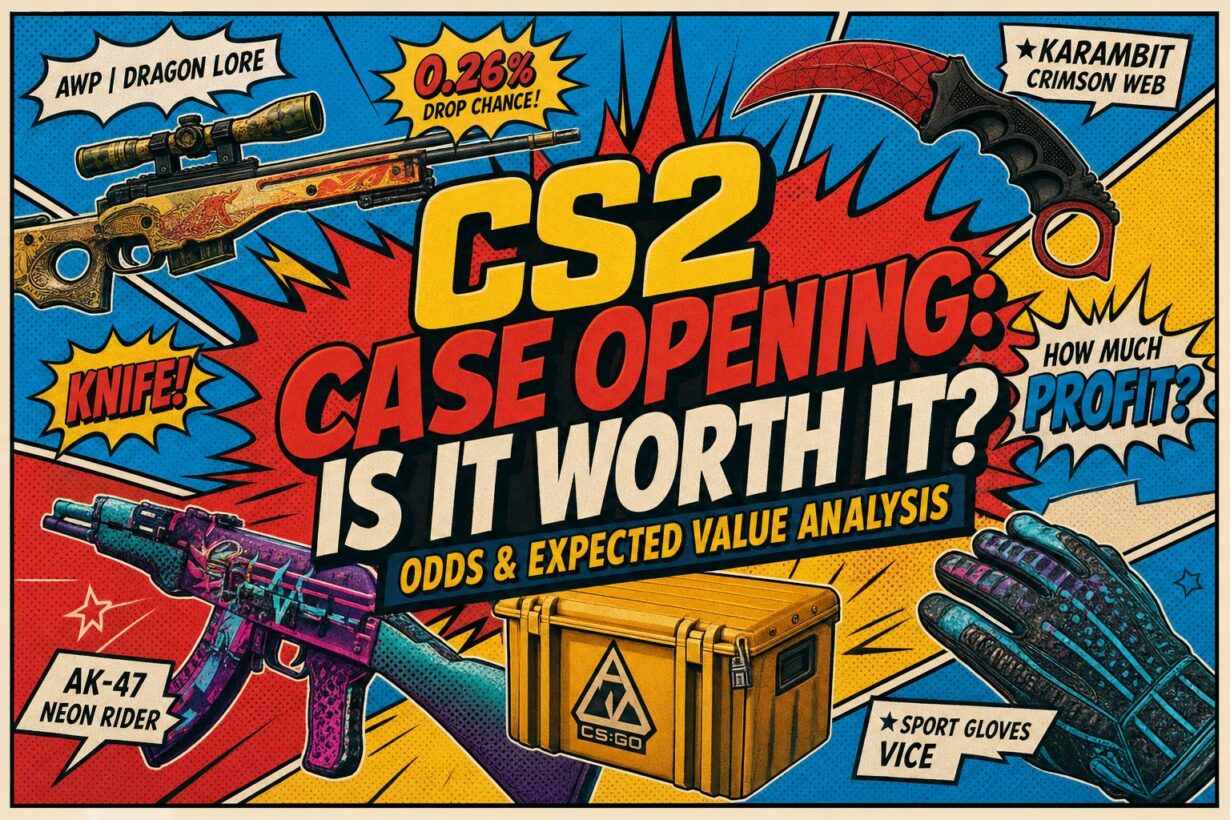

Opening cases in Counter-Strike 2 might seem like an exciting way to get rare skins, but the numbers tell a different story. Most CS2 cases have a negative expected value of -70% to -90%, meaning you’ll likely lose money over time. The chance of getting a knife or gloves sits at just 0.26%, which works out to roughly 1 in 400 cases.
Understanding the real odds and drop rates helps you make better decisions about spending money on cases. Each case opening is independent, so your chances don’t improve even after opening hundreds of cases. The math shows that buying skins directly from the marketplace usually saves you money compared to gambling on cases.
This guide breaks down exactly how case opening works in CS2. You’ll learn the true probability of getting rare items, which cases offer the best value, and smarter ways to build your skin collection without losing your budget to bad odds.
Key Takeaways
Opening CS2 cases typically results in losing 70% to 90% of your money based on expected value calculations
Analyzing official cs2 case drop rates reveals that the vast majority of outcomes result in low-value Mil-Spec items
The probability of getting a knife or gloves from any case is 0.26%, requiring an average of 400 cases for one gold drop
Buying skins directly from marketplaces is usually more cost-effective than opening cases for most player
CS2 Case Opening: Odds, Variance, and Mechanics
The CS2 case odds revealed by Valve show a 0.26% chance for knives and specific percentages for each rarity tier. Float value and wear condition add another layer of randomness that affects the final value of any skin you unbox.
Rarity Tiers and Official Drop Rates
CS2 cases use five rarity tiers that determine your drop rates when opening cases. The most common tier is Mil-Spec (blue), which drops 79.92% of the time—roughly 4 out of 5 cases. You’ll get mostly items worth between $0.10 and $2 at this tier.
Restricted (purple) skins appear in 15.98% of cases, or about 1 in 6 openings. Classified (pink) drops occur 3.2% of the time, which means 1 in 31 cases. Covert (red) skins are much rarer at 0.64% odds, appearing roughly 1 in 156 cases.
The rarest tier is Exceedingly Rare, covering knives and gloves at just 0.26% probability. This translates to approximately 1 in 385 cases. These official CS2 drop rates come from community analysis of millions of documented openings.
Understanding case opening mechanics and odds helps you set realistic expectations before spending money on keys.
StatTrak, Float Value, and Skin Wear
Every skin you unbox has a float value between 0.00 and 1.00 that determines its wear condition. Factory New ranges from 0.00 to 0.07, Minimal Wear spans 0.07 to 0.15, and Field-Tested covers 0.15 to 0.38. Well-Worn runs from 0.38 to 0.45, while Battle-Scarred includes 0.45 to 1.00.
Lower float values within each category mean less visible wear and typically higher market prices. A Factory New skin at 0.001 float looks cleaner than one at 0.069 float, even though both are Factory New.
StatTrak versions track your kills with that weapon and appear in roughly 10% of case openings. StatTrak items usually cost 30-80% more than regular versions of the same skin.
Case Opening Odds vs Souvenir Package Odds
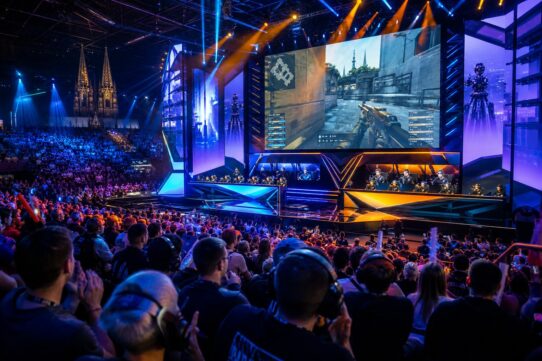
Souvenir packages use different drop mechanics than standard cases. You don’t need keys to open souvenir packages, and they only drop during major tournament matches when you watch with a connected Steam account.
Souvenir package drop rates during majors are around 1-3% chance per round watched. The skins inside don’t follow the same rarity distribution as cases. Souvenir packages guarantee one skin with special tournament stickers already applied.
Standard case drop rates for earning free cases through gameplay vary by case type and your account status. Active cases drop more frequently than older discontinued cases. You cannot get knives or StatTrak items from souvenir packages, making them fundamentally different from paid case openings.
Expected Value and ROI: How Much Do You Really Get?
Opening CS2 cases loses you money on average because the expected value is negative. Most cases return only 40-60% of what you spend on keys, and transaction fees reduce your actual returns even further.
Calculating Expected Value of CS2 Cases
Expected value tells you the average amount you get back per case opening. You calculate it by multiplying each possible item’s value by its drop probability, then adding all those amounts together.
The knife drop rate sits at 0.26% or about 1 in 385 cases. Covert skins appear 0.64% of the time. Classified items show up 3.2% of openings. Restricted drops happen 15.98% of the time. Mil-Spec items make up the remaining 79.92% of all case openings.
A typical case might have an expected value of $1.00 when keys cost $2.50. This means you lose $1.50 per opening on average. Understanding the average loss per case helps players set realistic expectations for their total spending. Some cases offer better ROI than others, with Dreams & Nightmares returning about $1.80 per $2.50 key, while older cases like Spectrum may only return $0.90.
The cost per open includes both the case price and key price. Most cases cost under $0.10 on the Steam Market, so your main expense is the $2.50 key.
Negative EV and Realistic ROI Expectations
Every CS2 case has negative expected value, meaning you mathematically lose money over time. This isn’t a flaw—it’s how case openings work by design.
If you open 100 cases for $250, you typically get back $100-$150 worth of skins. That’s a 40-60% return rate or a loss of $100-$150. The average ROI ranges from -28% to -60% depending on which case you choose.
You need extraordinary luck to profit. Getting a knife doesn’t guarantee profit either. If you spend $962.50 opening 385 cases to hit the statistical average of one knife, that knife needs to sell for more than $962.50 just to break even. Most knives sell between $150-$500.
Market prices fluctuate based on demand and supply. A skin worth $80 today might drop to $60 next month, further reducing your actual returns.
Variance, House Edge, and Transaction Fees
Variance means your actual results will differ from expected value in the short term. You might open 50 cases and get lucky with two valuable items. Or you might get nothing but cheap Mil-Spec skins worth $0.20 each.
The house edge represents Valve’s built-in advantage. Cases are designed so the average return is lower than the key cost. This ensures profitability for Valve while creating scarcity for valuable items.
Transaction fees eat into any profits you make. Steam takes a 13% cut when you sell items on the Community Market. Third-party sites charge 2-10% fees. A $100 knife only nets you $87 after Steam’s fee.
Liquidity affects how quickly you can convert skins to cash. Popular items like knives sell fast at market prices. Unpopular Mil-Spec skins might sit in your inventory for weeks, and you may need to undercut market prices by 10-20% to sell them quickly.
Best CS2 Cases to Open and Case Comparison
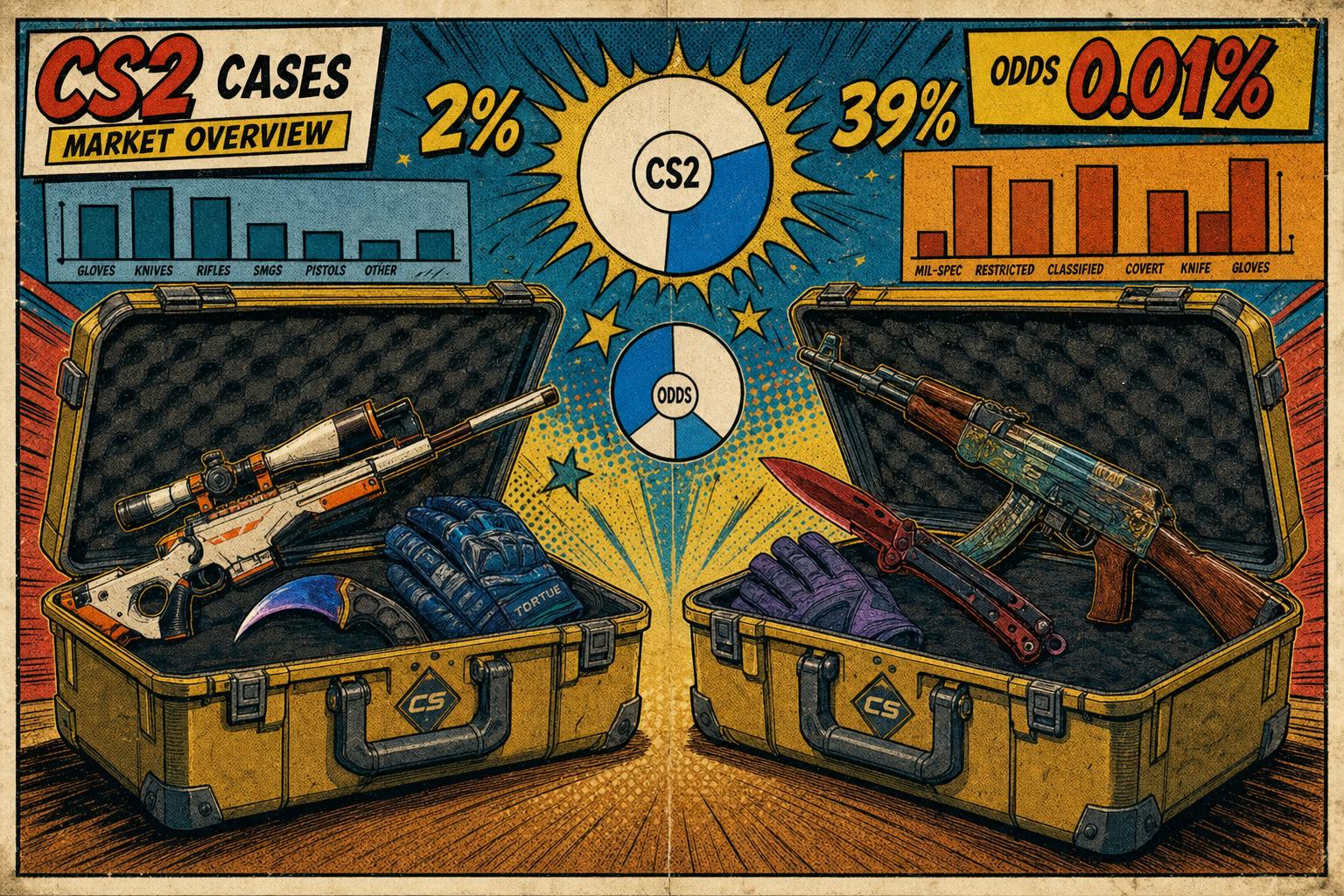
Not all cases offer the same value when opening. The Dreams & Nightmares case currently provides returns around 72% of key cost, while older cases like the Spectrum often return just 50-55%.
Top Cases for Highest ROI and Notable Drops
The Dreams & Nightmares case stands out as one of the best CS2 cases to open with the highest average return rate. You can expect around $1.80 back per $2.50 key spent.
This case includes valuable drops like the AWP Duality ($80-$180) and MP9 Starlight Protector ($40-$100). The community-designed skins maintain their value better than many older case options.
The Revolution case offers decent returns at approximately 64% due to popular skins like the AK-47 Ice Coaled ($50-$120) and M4A4 Temukau ($30-$80). The Clutch Case is also frequently discussed due to its unique glove pool and consistent market demand. The Kilowatt case performs similarly with the Zeus x27 Olympus ($60-$140) as a notable Covert drop.
Chroma 2 case and Chroma 3 case have poor average returns around 56%. However, they contain Doppler knife finishes including Ruby, Sapphire, and Black Pearl variants worth $2,000-$30,000+.
The Recoil case, Fracture case, and Gallery case fall in the middle range. They offer 58-62% returns with moderately valuable Covert skins but nothing exceptional.
Old vs New Cases: Value Differences
Older cases generally provide worse value when opening. The Gamma case, Gamma 2 case, Spectrum case, and Spectrum 2 case all have saturated markets for their drops.
You’ll lose more money per opening on cases like the Operation Breakout weapon case, Operation Wildfire case, and Operation Phoenix weapon case. Their Covert and Classified skins are worth $5-$15 instead of $40-$100+ like newer cases.
The CS weapon case, eSports 2013 case, and Revolver case are particularly bad choices. Most drops sell for under $1 on the market. Your only path to profit is hitting the rare special item at 0.26% odds.
Exception: The Operation Bravo case contains the AWP Dragon Lore as a rare Covert drop. This makes it valuable despite being old, though the case itself costs $40-$50 to purchase before opening.
Newer cases like Snakebite case and CS20 case maintain better value. These modern cs2 weapon cases often feature community-designed skins that have high aesthetic appeal. The Prisma case and Prisma 2 case sit in the middle with decent knife pools but average Covert values.
Rare Special Items: Knives, Gloves, and Unique Skins
Every weapon case has a 0.26% chance to drop a rare special item instead of a normal skin. This category includes all knife variants and represents the dream outcome for case openers.
The Glove case, Operation Hydra case, Snakebite case, and Fever case contain gloves as their rare special items instead of knives. Gloves typically range from $150-$3,000 depending on the type and wear.
Knife variety matters. Cases with the Skeleton Knife and Kukri Knife pools often have higher average knife values. Classic knives like Karambit, M9 Bayonet, and Butterfly appear in most standard cases.
The Chroma series cases offer Doppler finishes on their knives. A Phase 2 Doppler might sell for $800-$1,500, while a Sapphire or Ruby can reach $5,000-$30,000+.
You need to open approximately 385 cases to statistically expect one rare special item. Even then, you’re not guaranteed a high-value knife. Budget knives start around $150-$250, which doesn’t cover your opening costs.
How to Get and Open CS2 Cases: Buying, Marketplaces, and Pricing
You need both a case and a key to open CS2 cases, with each costing money upfront. Case prices vary widely based on rarity and demand, while keys cost around $2.50 across most platforms.
Buying Cases and Keys: Steam Market vs Third-Party Sites
You can buy cases directly from the Steam Market, where prices range from $0.03 for common cases to over $100 for rare discontinued cases. The Steam Market charges a 15% transaction fee on all sales, which affects both buyers and sellers.
Third-party marketplaces often offer better prices than Steam. Sites like Skinport, Buff163, and CSFloat charge lower fees between 5-10%, which means you pay less for the same cases. Buff163 tends to have the lowest prices but requires Chinese yuan for transactions.
Keys cost approximately $2.50 whether you buy them from the Steam store or the market. You cannot trade keys immediately after purchase due to trade locks. Some third-party sites sell keys at slight discounts, but the savings are usually minimal.
Always verify the authenticity of third-party marketplaces before making purchases. Stick to well-known platforms with established reputations to avoid scams.
Case Prices, Key Costs, and Transaction Considerations
Case prices fluctuate based on supply and demand. Active drop cases like the Dreams & Nightmares Case cost under $1, while discontinued cases like the CS Weapon Case can exceed $130. Older cases with popular knife skins in their drop pools command higher prices.
Your total cost to open one case equals the case price plus the key cost. For a $0.50 case, you spend $3.00 total per opening. For a $5.00 case, you spend $7.50 per opening.
Example opening costs:
|
Case Type |
Case Price |
Key Price |
Total Cost |
|---|---|---|---|
|
Common active case |
$0.50 |
$2.50 |
$3.00 |
|
Popular discontinued case |
$5.00 |
$2.50 |
$7.50 |
|
Rare legacy case |
$70.00 |
$2.50 |
$72.50 |
Steam takes its 15% cut when you sell items, reducing your actual returns. If you unbox a $10 skin, you only receive $8.50 after fees.
Market Liquidity, Trade Locks, and Selling Skins
Market liquidity determines how quickly you can sell your unboxed skins. Popular skins like AK-47 or AWP drops sell within minutes at market price. Unpopular skins might take days or weeks to find buyers.
You face a seven-day trade lock on all items you unbox. You cannot trade or sell these items on third-party sites during this period, though you can list them on the Steam Market immediately.
Buying skins directly from marketplaces gives you more predictable value than gambling on case openings. A specific skin you want costs a fixed amount, while opening cases hoping to get that skin typically costs much more due to the odds working against you.
Low-tier skins under $1.00 have poor liquidity. You might need to lower your price significantly below market value to sell them quickly. High-value items over $100 also sell slower due to fewer potential buyers.
Alternatives and Risk Controls: Smarter Approaches to Skins
Direct purchases eliminate variance entirely, while calculated risk limits and alternative strategies can protect your budget when you do open cases. The goal is matching your method to your actual priority—whether that’s owning a specific skin or enjoying the opening experience within clear boundaries.
When Buying Skins Directly Makes More Sense
Buying the exact skin you want removes all drop uncertainty. You pay market price and receive the item immediately. No blue-tier repeats, no wasted keys, no exposure to 80% expected returns on most cases. You can also use a case opening simulator to experience the unboxing process without any financial risk.
Check current marketplace listings for your target skin. Compare the total cost to opening cases until you statistically expect that drop. In most scenarios, direct purchase costs less than the case-opening equivalent. This is especially true for mid-tier skins in the Restricted and Classified bands.
You also control float value and pattern when you buy directly. Case openings give you random float within the wear range. If you want a low-float Classified skin with a clean look, the marketplace lets you filter and choose. That precision has real value that case odds cannot provide.
Risk Management and Responsible Case Opening
Set a fixed budget before you start and treat it as entertainment spending, not investment. Once that amount is gone, stop regardless of results. Session limits convert vague intentions into hard stops that protect you from chasing losses.
Track every opening in a simple notes file: case name, cost, result, resale value. After 20-30 entries, you’ll see your actual return rate instead of relying on memory or highlight reels. Most players find their real ROI sits between 65-85% of spend, which helps calibrate future decisions.
Look for platforms that display transparent odds and offer built-in limit tools. Responsible operators publish drop rates clearly and provide session timers or deposit caps. Use these features—they add friction that keeps emotional decisions in check when variance swings against you.
Using Trade-Ups and Market Flipping Strategies
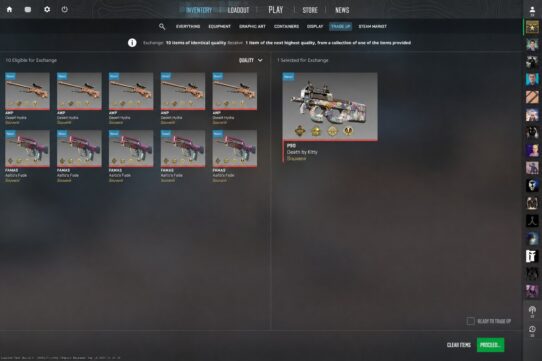
The trade-up contract burns ten same-grade skins to roll one item from the next tier up. This shifts variance but doesn’t eliminate it. You need cheap, low-float inputs from a collection with valuable outputs to create positive expected value.
Calculate input cost plus marketplace fees, then compare to the weighted average of possible outputs. If the math shows profit potential, run small test batches first. Track results before scaling up. Many trade-ups look good on paper but fail when liquidity or float ranges work against you.
Market flipping requires timing and data discipline. Set price alerts for undervalued items, especially around content updates or esports events when demand spikes temporarily. Buy low-float skins when listings dip, then sell into predictable demand windows. Your edge comes from patient execution and after-fee math, not guesswork.
Frequently Asked Questions
Opening CS2 cases involves consistent financial losses averaging 40-60% of your investment, with knife odds sitting at 0.26% or roughly 1 in 385 cases. The mechanics behind case openings and odds calculations rely on established probability models derived from millions of documented openings across the community.
What is the expected return on investment when opening CS2 cases?
You can expect to lose between 40-60% of what you spend on keys when opening CS2 cases. This translates to getting back approximately $1.00-$1.50 in skin value for every $2.50 key you purchase.
The expected value varies by case type, with Dreams & Nightmares cases offering the best returns at around -$0.70 per opening. That means you lose about 70 cents on average each time you open that specific case.
Older cases like Spectrum or Gamma have worse expected values, often ranging from -$1.10 to -$1.60 per opening. If you open 100 cases with $250 worth of keys, you should expect to receive approximately $100-$150 worth of skins back, resulting in a net loss of $100-$150.
How do you calculate CS2 case opening odds, specifically for rare items like knives and StatTrak weapons?
The odds for knife drops are 0.26%, which equals approximately 1 in 385 cases. Covert tier items (red rarity) drop at 0.64% odds, or about 1 in 156 cases.
Classified items appear at 3.2% odds (1 in 31 cases), while Restricted items drop at 15.98% (1 in 6-7 cases). The most common tier, Mil-Spec, appears 79.92% of the time, meaning roughly 4 out of 5 cases will give you a blue-tier skin.
StatTrak versions have a 10% chance of appearing on any skin you receive, regardless of rarity tier. This means if you get a knife, you have a 10% chance it will be StatTrak, making StatTrak knife odds approximately 0.026% or 1 in 3,850 cases.
What statistics determine the chance of receiving a gold item from a CS2 case?
Gold items refer to knives and gloves in CS2, which fall under the “Exceedingly Rare” category. The drop rate for these items is 0.26%, based on statistical analysis of over 5 million documented case openings.
This percentage remains constant for each case opening. Your chances don’t improve after opening multiple cases without getting a knife because each opening is an independent event with the same 0.26% probability.
If you open 385 cases, you have about a 63.2% chance of getting at least one knife. However, you still have a 36.8% chance of getting zero knives even after spending $962.50 on keys.
Which CS2 case is recognized as providing the best odds for valuable drops?
The Dreams & Nightmares case provides the best return on investment with an expected value of -$0.70 per opening. This case contains popular community-designed skins that maintain higher market values, including the AWP Duality worth $80-$180.
Revolution cases offer the second-best odds with an expected value around -$0.90 per opening. They contain valuable Covert skins like the AK-47 Ice Coaled, which sells for $50-$120.
Chroma cases have worse average returns at -$1.10 expected value, but they contain Doppler knives with rare patterns like Sapphire and Ruby worth $2,000-$30,000. Your chances of hitting these specific patterns are extremely low, making Chroma cases a pure gamble rather than a statistically favorable choice.
Are the contents of a CS2 case determined at the time of opening or are they pre-assigned?
The contents are determined at the moment you open the case, not when you acquire it. The server generates your drop based on the probability tables when you use a key and activate the opening animation.
This means buying or trading for cases in advance doesn’t affect what you’ll receive. Each case is identical until the exact moment of opening, when the server randomly selects your item based on the established drop rates.
The spinning animation you see is just visual presentation. Your item is already determined before the animation completes, though the animation makes it appear as if you’re narrowly missing better items.
Is there an accurate case odds calculator for CS CS2 cases available online?
Several CS2 case opening ROI calculators exist that use community-verified drop rates to calculate expected returns. These calculators incorporate the 0.26% knife odds, tier-specific drop rates, and current market prices for skins.
These calculators provide estimates based on average outcomes over hundreds or thousands of openings. They can show you the expected value per case and help you understand potential losses before spending money.
The calculators update regularly with current skin prices from the Steam Market. However, they can’t predict individual results since each case opening is random and independent of previous outcomes.