

Dota 2 patch 7.41 is live, and it rewrites the rules on hero customization, map objectives, item builds, and neutral item timing. Valve removed the entire Facet system, swapped the positions of Tormentor and Roshan, buffed the Unyielding Shield barrier from 2000 to 3000, and introduced nine new shop items. If you queue into a match without reading these changes, you will misplay objectives, misbuild heroes, and lose fights you should win.
This is not a patch-history recap. Every section below is organized around what you need to change in your next game, starting with the biggest systemic shifts and ending with fast, role-specific takeaways. Whether you are a support adjusting your early rotations or a carry rethinking your item timings, the information here is structured to get you into the client faster and better prepared. If you are chasing Dota 2 skins or gift cards between matches, platforms like Rewardly let you earn toward those rewards for free through surveys and tasks, so you can upgrade your inventory without spending a dime.
Key Takeaways
- Valve completely removed Facets, forcing every hero build back to base abilities and Aghanim’s Shard upgrades.
- Tormentor and Roshan swapped map positions, changing how and when your team rotates after laning.
- Nine new items entered the shop while neutral items now drop at 0:00, making the first minutes of every match less predictable.
The End of Facets
Valve axed the Facet system entirely, collapsing hero customization back to innate abilities, talents, and Aghanim’s Shard upgrades. With the facets removed, players must once again rely on their core hero mechanics and itemization to gain an edge. This single change touches every hero in the game and simplifies the decision tree you face at the pick screen.
What Valve Removed and Why It Matters
Facets were introduced in Patch 7.36 (May 2024) as a way to let you choose between two passive modifications for each hero. In practice, one Facet almost always dominated the other, and the system added a layer of complexity without proportional strategic depth.
By stripping Facets out, Valve reduced the number of hidden variables in every draft. You no longer need to guess which Facet your opponent selected, and tooltip clutter is gone.
How Innate Ability Scaling Works Now
Innate abilities remain, but their scaling has been reworked. Instead of flat bonuses, many innates now show clear per-level progression with improved UI indicators. You can hover over a hero’s innate in the HUD and see exact breakpoints.
This makes power spikes more transparent. When you are deciding whether to commit to a fight, you can read your innate’s current value at a glance instead of doing mental math around a Facet modifier.
What Removal of Facets Means for Hero Builds
Every guide, every quick-buy preset, and every community build page that factored in Facet choice is now outdated. Your skill builds and item timings should be re-evaluated from scratch.
Aghanim’s Shard picks up extra importance as the primary mid-game ability modifier. If a hero previously relied on a strong Facet to function, you need to check whether the Shard fills that gap or whether the hero simply lost power.
Map Objectives Swapped
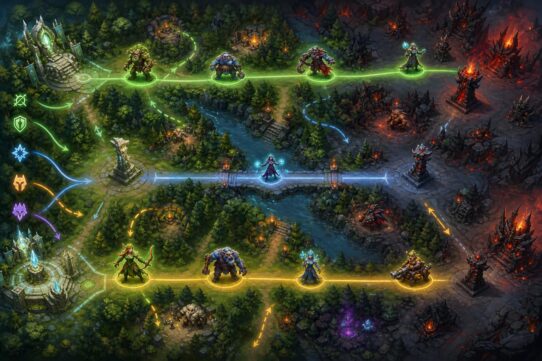
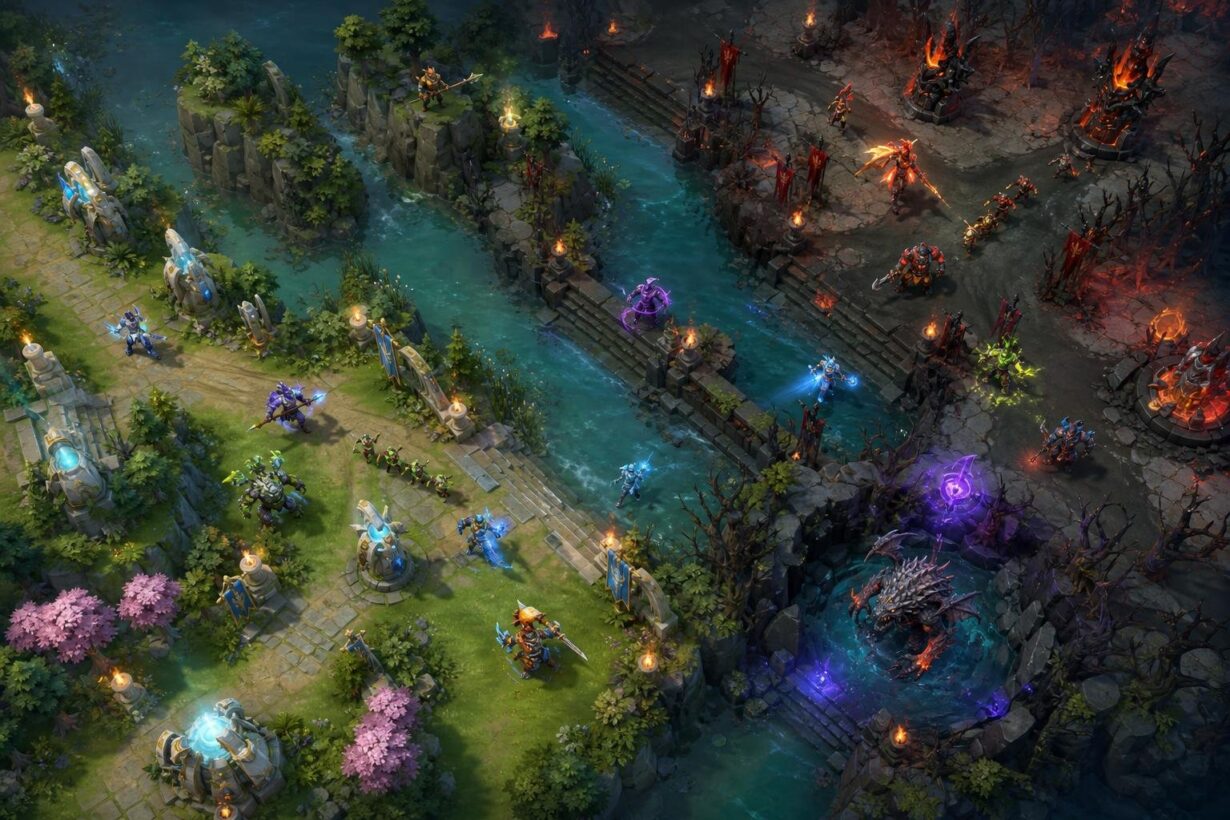
The two biggest neutral objectives on the map traded places. Tormentor now spawns in the bottom chasm, while Roshan prefers the top pit. Paired portals were also repositioned closer to map edges, and several ward spots shifted.
Tormentor Now Starts in the Bottom Chasm
At the 20-minute mark, the tormentor spawn occurs in the bottom half of the map. Its damage reflection dropped from 50% to 30%, making early attempts less punishing. At the same time, it scales harder into the late game with a stronger shield and added status resistance.
The Chasm Stone drop and Aghanim’s Shard reward still exist, but the timing window for claiming them shifts your team’s positioning south instead of north.
Roshan Now Prefers the Top Pit
Roshan moving to the top pit changes smoke routes, ward placements, and which lanes you want to pressure before taking the fight. Dire no longer has the proximity advantage it historically held.
Radiant teams now have a shorter rotation from the top lane and triangle, while Dire must commit more resources to contest.
Why These Objective Rotations Change Early Movement
Because both major objectives flipped, your mental map of safe farming zones and smoke paths needs a full reset. Supports who used to stack top-side camps before a Roshan attempt now need to adjust their pathing south for Tormentor and north for Roshan.
Ward spots near the old Tormentor location no longer provide the same value. Prioritize scouting the new pit entrances in your first few games to build new habits.
Base Defense and Lane Flow Updates
Defensive structures are tougher, creep timing and composition shifted, and the point where waves meet in lane moved slightly toward the offlane. Together, these changes make high-ground pushes harder and early laning more dynamic for the offlaner.
Unyielding Shield Barrier Buff Explained
The Unyielding Shield base barrier jumped from 2000 to 3000. This means your team needs significantly more sustained damage to crack through base defenses. Quick sieges off a single Roshan kill are less reliable now.
Plan for longer high-ground attempts and consider itemizing for sustained push (Assault Cuirass, Vladmir’s Offering) rather than burst.
Flagbearer Creep and Siege Timing Changes
The flagbearer creep now grants 60 XP, up from 57. The first extra catapult arrives at 30 minutes instead of 35, and post-60-minute waves gain additional siege potential.
These numbers may look small in isolation, but they compound over a full game. Denying the flagbearer is even more important for XP control in the laning stage.
Lane Meeting Point and Early Equilibrium Adjustments
Offlane creeps now move slower while safelane creeps move faster until 7:30. The result is that the creep meeting point shifts slightly toward the offlane tower.
This is a direct buff to offlaners. You can trade more safely under your own tower’s threat range during the first several minutes. Safelane carries should expect a less comfortable static lane and may need to pull more aggressively to reset equilibrium.
Item Changes That Will Shape the New Meta
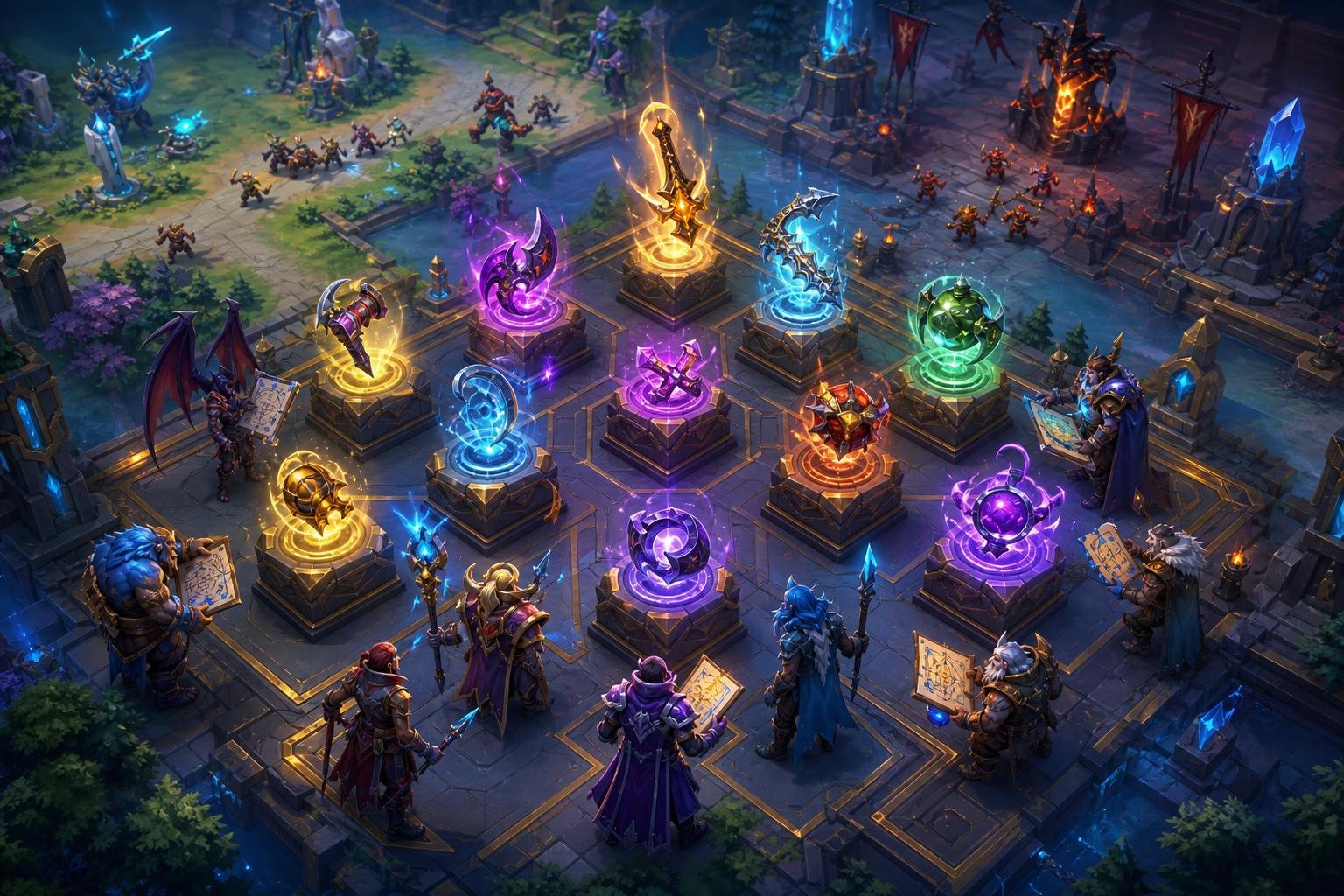
Nine new items entered the shop, several existing items were reworked, and Refresher Orb no longer refreshes item cooldowns. The item landscape in 7.41 rewards experimentation and punishes autopilot builds.
New Core Shop Additions at a Glance
Here is a quick reference for the new additions:
| Item | Primary Role | Key Stat or Effect |
| Essence Distiller | Utility / Support | Amplifies healing output on a target |
| Wizard Hat | Early stat boost | Low-cost int item for supports |
| Consecrated Wraps | Defensive | Provides status resistance and sustain |
| Shawl | Magic resistance | Budget anti-magic option |
| Specialist’s Array | Core / Ranged carry | AoE damage modifier for ranged heroes |
| Hydra’s Breath | Ranged carry | Multi-target attack component |
| Splintmail | Tanking | Returns damage to melee attackers |
| Crella’s Crozier | Caster / Support | Spell amp with mana sustain |
| Arm of the Deep / Tendrils of the Deep | Utility | Extends reach of targeted abilities |
Best Uses for Essence Distiller and Specialist’s Array
Essence Distiller fits naturally on heal-heavy supports like Dazzle, Oracle, and Warlock. It amplifies incoming heal amplification on a chosen ally, making your heals and regeneration effects more efficient in drawn-out fights.
Specialist’s Array is designed for ranged cores who want AoE damage without committing to a Mjollnir. If you play Drow Ranger, Medusa, or Lina, test the specialist’s array early to maximize your farming speed. The hydra’s breath also serves as a potent bridge for heroes needing extra wave clear.
Defensive and Utility Standouts to Watch
Splintmail punishes melee-heavy lineups by reflecting physical damage back to attackers. Against drafts with Ursa, Troll Warlord, or Phantom Assassin, picking this up on your offlaner or position-four can change fights.
Crella’s Crozier gives casters a mid-tier power spike with spell amplification and mana sustain in a single slot. Expect to see it on heroes like Leshrac, Puck, and Zeus. Using crella’s crozier allows these heroes to maintain high spell output during critical mid-game skirmishes.
Refresher Orb now only refreshes abilities, not items. Double BKB and double Mekansm plays are gone, making late-game teamfights cleaner and more readable.
Neutral Items and Enchantment Rework
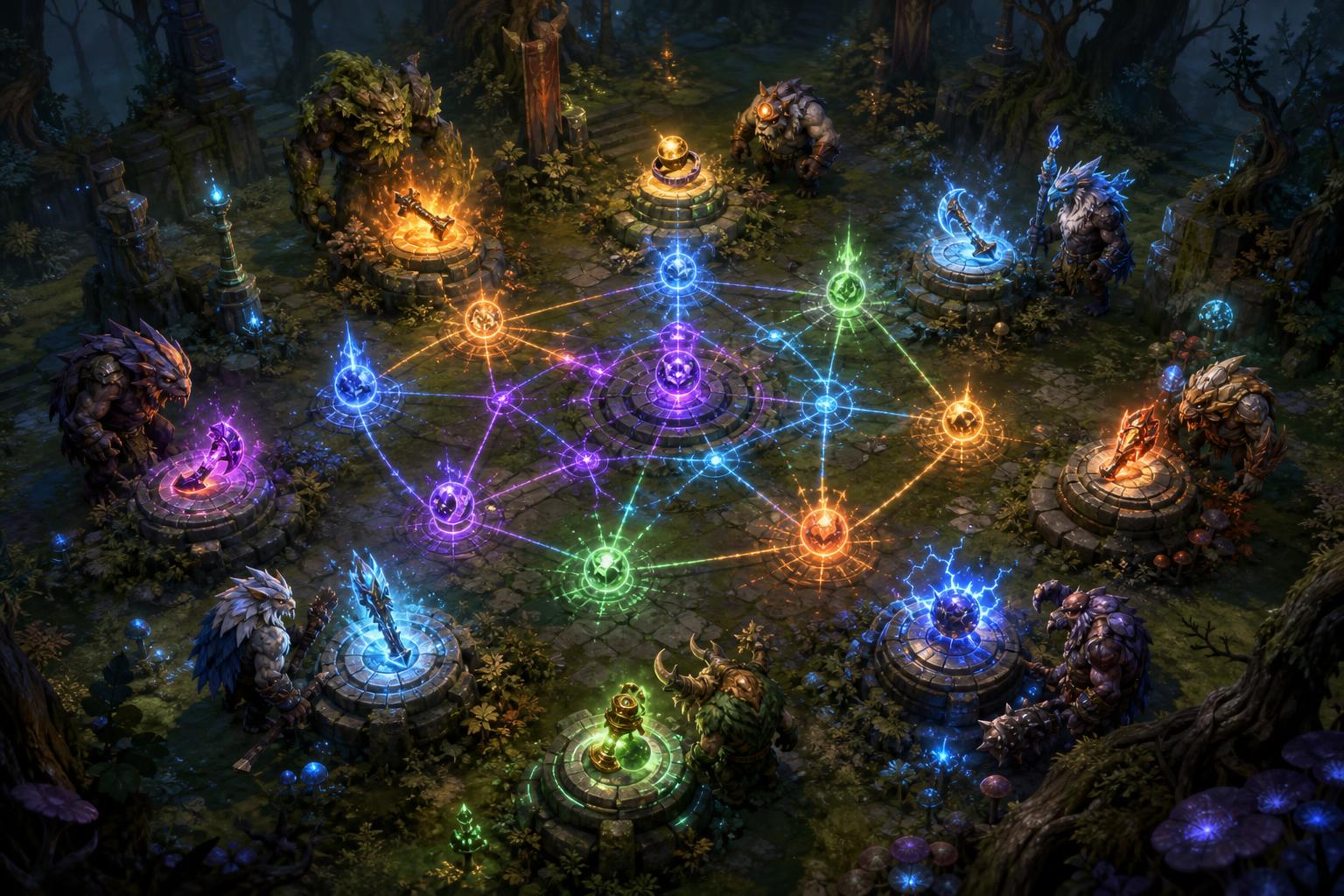
Tier 1 neutral items now drop starting at 0:00, Madstone crafting cost increased from 5 to 6, and enchantment choices expanded across every tier. These changes make the opening minutes far less predictable and give you more build flexibility throughout the game.
Early Neutral Access and Madstone Costs
With neutrals available from the horn, your support duo should plan a quick jungle clear before or immediately after the first wave. Even a modest stat neutral can swing the first few trades in lane.
Madstone now costs 6 components instead of 5. This is a targeted nerf to how cheaply teams could access its bonuses in the early-to-mid transition. Budget your gold accordingly if you rely on it.
Tier-by-Tier Neutral Standouts
Key neutrals to watch at each tier:
- Tier 1: Forager’s Kit and Stonefeather Satchel provide strong early sustain.
- Tier 2: Dagger of Ristul, Possessed Mask, and Cloak of Flames offer aggressive options. Medallion of Courage integration makes Rosh attempts easier.
- Tier 3: Partisan’s Brand, Spellslinger, and Stormcrafter give both physical and magical damage heroes meaningful mid-game boosts.
- Tier 4: Conjurer’s Catalyst, Dandelion Amulet, and Enchanter’s Bauble scale well into late fights.
- Tier 5: Prophet’s Pendulum, Harmonizer, and Witchbane can close games.
How Enchantment Choices Increase Build Flexibility
The enchantment system now presents more options per tier, so you are less likely to be stuck with a neutral that does nothing for your hero. These enchantment changes allow for greater strategic depth when picking up late-game neutral items. You can tailor your enchantment to your matchup rather than defaulting to the only viable pick.
This matters most for supports and offlaners who rarely have a full six-slot luxury build. A well-chosen enchantment can fill a gap that your gold income would never cover.
What You Should Prioritize in Your Next Match
Patch 7.41 changes so much at once that you need a shortlist of what to focus on immediately. Below are role-specific priorities, the notes that matter most on day one, and early signals from pub data.
Fast Takeaways for Supports, Cores, and Offlaners
Supports: Clear a neutral camp at 0:00 for a Tier 1 item. Adjust your ward placements for the new Roshan (top) and Tormentor (bottom) locations. Prioritize Essence Distiller or Crella’s Crozier if your hero benefits.
Cores: Re-evaluate your item builds without Facet-dependent assumptions. Test Specialist’s Array and Hydra’s Breath on ranged carries. Remember that Refresher Orb no longer doubles your BKB.
Offlaners: The creep meeting point favors you until 7:30. Use that advantage to secure early levels. Consider Splintmail against melee-heavy drafts and keep an eye on the slow resistance bonus changes affecting chase-down potential.
Which Patch Notes Matter Most Right Away
Focus on three areas first:
- Facets gone: Check every hero you play for updated innate scaling.
- Objective swap: Relearn smoke and ward timings around the new Roshan and Tormentor positions.
- Neutral items at 0:00: Plan your first 30 seconds differently.
Everything else, including hero-specific number tweaks, can wait until you have the macro changes internalized.
Early Meta Signals to Track After 7.41
Early pub data from 7.41a shows heroes with strong innate abilities gaining ground while heroes that leaned on a dominant Facet are dropping. Night Stalker, for example, is trending upward.
New movement-related effects like Catchy Lick, Bullbelly Blitz, and Hotfeet Hustle are creating niche but noticeable gameplay moments. Pay attention to how these interact with chase and escape scenarios.
The meta is still settling. Experimentation is rewarded right now more than at any point in the last year. If you are looking to earn Dota 2 skins while you explore new builds, Rewardly offers a free way to pick up CS2, Dota 2, TF2, and Rust items through everyday tasks.
Frequently Asked Questions
What are the most impactful hero buffs and nerfs in the latest update?
Meepo received a major buff allowing clones to use items, significantly raising the hero’s skill ceiling. Techies got a partial revert toward the old mine-based identity with a new innate called M.A.D. Tinker was redesigned around turrets instead of the Matrix mechanic. Heroes that relied heavily on a single dominant Facet lost power unless their innate ability compensates.
Which item changes are most likely to shift the current meta?
Refresher Orb no longer refreshes item cooldowns, removing double-BKB and similar late-game combos. New items like Specialist’s Array and Hydra’s Breath give ranged carries fresh AoE and multi-target options. Splintmail introduces a strong anti-melee defensive tool, and Crella’s Crozier fills a mid-tier caster gap.
How have map and objective adjustments changed common rotations and lane setups?
Roshan moved to the top pit and Tormentor moved to the bottom chasm, flipping smoke routes and ward priorities. Paired portals shifted closer to map edges, and several observer spots were relocated. The creep meeting point also moved toward the offlane tower until 7:30, favoring offlaners in early trades.
What are the biggest changes to neutral creeps, runes, and economy pacing?
Tier 1 neutral items now drop at 0:00 instead of 5:00, making the opening seconds of the game strategically important. Kobold camps were buffed while ghost and wolf camps were toned down. Madstone crafting cost rose from 5 to 6, and the enchantment system now offers more choices per tier.
Which heroes gained or lost viability for core and support roles after the update?
Heroes with strong standalone innate abilities gained the most. Night Stalker is trending upward in early pub data with a win rate above 55%. Leshrac dropped to around 48.6% as his previous Facet synergy disappeared. Meepo and Techies both gained new tools that raise their skill ceilings significantly.
What drafting and counter-pick priorities have changed for competitive play?
Without Facets, you no longer need to account for hidden hero modifications during the draft. Counter-picking is now more about base kit interactions and item matchups. The new Splintmail makes drafting multiple melee cores riskier, and the Unyielding Shield buff to 3000 means teams need to draft sustained siege damage rather than relying on quick high-ground bursts.