
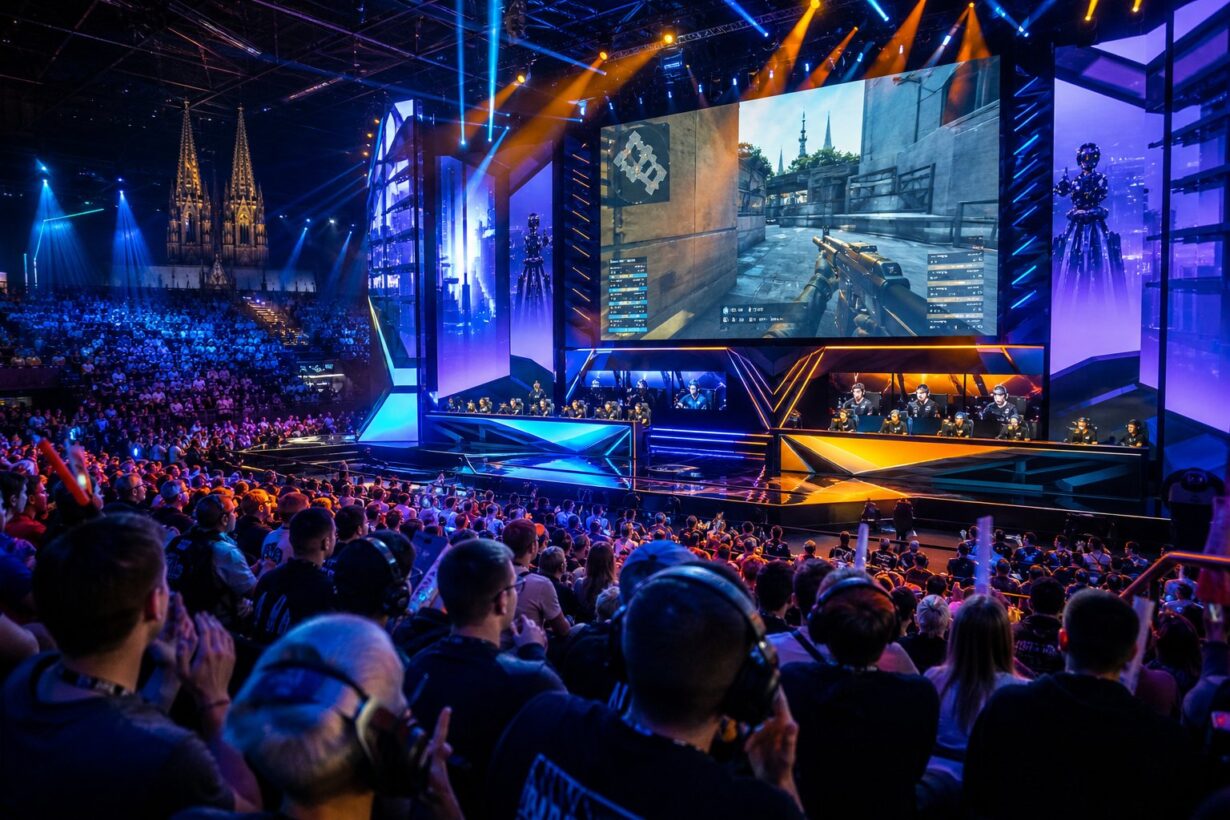

The IEM Cologne 2026 Pick’Em challenge is live, and if you are holding a Viewer Pass, you already know the stakes. Five correct predictions per stage, a Diamond Coin on your profile, and a pile of tokens to spend on stickers, autographs, and Souvenir-O-Matic crafts. The real question is not whether you should play, but how to play smarter than the average bracket warrior.
With the May 22, 2026 update dropping the Major Hub directly into the CS2 main menu and Stage 1 locking before June 2, 2026, you do not have unlimited time to figure this out. The format, the team pool, and the way tokens scale across coin upgrades all reward a methodical approach over gut-call heroics. The IEM Cologne Major 2026 runs June 2 through June 21 in Cologne, Germany, featuring 32 teams and a $1,250,000 prize pool, culminating in single-elimination playoffs at the LANXESS Arena. Counter-Strike Majors remain the highest-profile events in the game, and the Pick’Em challenge is one of the few ways you can turn your tournament knowledge into something tangible inside Counter-Strike 2.
This guide walks through the updated Major Hub mechanics, breaks down coin and token economics, maps the tournament structure to prediction strategy, and gives you a concrete framework for Stage 1 and beyond. If you are a CS2 player who also earns toward skins and gift cards through platforms like Rewardly, the Cologne Major is prime time to engage with the competitive scene while building your inventory. Head over and make sure your picks are locked before the first match fires.
Key Takeaways
- The Pick’Em challenge lives inside the new CS2 Major Hub introduced on May 22, 2026, and requires an active Viewer Pass to earn coin upgrades and tokens.
- Each coin upgrade from Bronze through Diamond awards 300 tokens, and consistency across stages matters far more than chasing a perfect bracket.
- Stage 1’s Swiss format and BO1 volatility demand a conservative strategy that avoids overcommitting to favorites in your 3-0 and 0-3 slots.
How To Access The Challenge In The CS2 Major Hub
The Pick’Em system for Cologne 2026 sits inside a dedicated Major Hub that Valve added to the CS2 main menu. If you have not opened the game since late May, the first thing you need to do is update your client and locate the new hub tile.
Where The Pick’Em Challenge Lives After The May 22, 2026 Update
Valve shipped the IEM Cologne 2026 Major Hub on May 22, 2026. When you launch Counter-Strike 2, you will see a Major Hub entry point on the main menu. Inside, you will find the tournament shop, the pick’em challenge interface, and your event tracking tools all in one place.
Previous Majors scattered these elements across different menus. The consolidated hub means you can make predictions, buy stickers, and check your coin progress without bouncing between screens. If you are on mobile and away from your PC, third-party sites also let you submit picks, though the in-game hub remains the primary experience.
Why An Active Viewer Pass Is Required For Coin Progress
You can browse the Major Hub without a Viewer Pass, but your picks will not count toward coin upgrades unless the pass is purchased and activated. As the official Counter-Strike announcement confirms, purchasing and activating a Cologne 2026 Viewer Pass grants you a 2026 Cologne Major Challenge Coin at the Bronze tier.
Without the pass, you are essentially playing in spectator mode. Your predictions will not track, you will not earn tokens, and the coin will not appear on your profile. If you are planning to engage with the IEM Cologne 2026 Pick’Em at all, activate the pass before Stage 1 locks on June 2.
Standard Pass Vs Bundle And What The Extra Tokens Change
The standard Viewer Pass gives you everything needed for the Pick’Em challenge: the Bronze coin, access to predictions, and the ability to earn tokens through upgrades. The bundle version typically includes bonus tokens upfront plus additional cosmetic items.
If you care about sticker crafts and Souvenir-O-Matic usage, the bundle’s extra tokens give you a head start on purchasing specific team stickers and autograph capsules. For a pure Pick’Em player who just wants the Diamond Coin, the standard pass is sufficient. The bundle is more about cosmetic flexibility than prediction advantage.
How The Active Pass Leaderboard Fits Into The Experience
The Major Hub update also introduces a leaderboard that tracks your Pick’Em performance against friends. This is visible within the hub and lets you compare correct picks stage by stage.
The leaderboard does not change your rewards or affect coin upgrades. It is a social layer, pure bragging rights. That said, it adds a competitive edge to the process, especially if you are in a friend group where everyone is chasing Diamond. Use it for motivation, not for pressure. Your coin progress depends only on hitting the prediction thresholds, not on outranking someone on the leaderboard.
Coins, Tokens, And What Your Predictions Actually Earn
The reward structure for the pick’em challenge revolves around two things: upgrading your Challenge Coin and accumulating tokens. Understanding the math behind both helps you set realistic expectations and make better use of what you earn.
Bronze To Silver To Gold To Diamond Explained
Your Challenge Coin starts at Bronze when you activate the Viewer Pass. Each stage of the tournament offers a chance to upgrade it by hitting a threshold of correct predictions. You need five correct predictions per stage to earn an upgrade.
The progression runs Bronze to Silver, Silver to Gold, and Gold to Diamond. A Diamond Coin is the highest tier and the one that shows up most prominently on your CS2 profile. Miss a stage upgrade, and you can still advance later, but you cannot skip tiers. Each upgrade is sequential.
How Many Tokens Pick’Em Can Award Across The Event
Every coin upgrade awards 300 tokens. With three possible upgrades (Silver, Gold, Diamond), you can earn up to 900 tokens purely through Pick’Em success across the entire event.
Those 900 tokens are meaningful. They stack with any tokens from the bundle purchase and give you real purchasing power in the Major shop. Plan your spending accordingly rather than burning tokens on the first stickers you see.
Best Ways To Use Tokens On Stickers, Autographs, And Souvenir-O-Matic Crafts
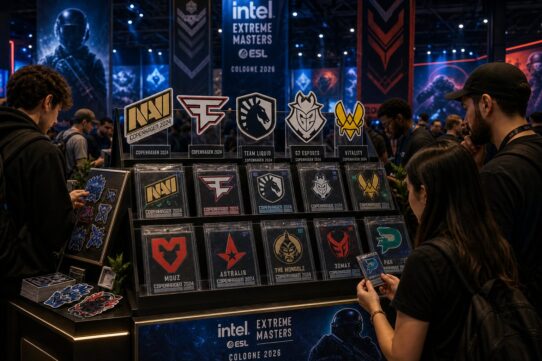
Tokens buy team stickers, player autographs, and Souvenir-O-Matic crafts. The smartest approach is to wait until you have a clear idea of which teams you want to rep before spending.
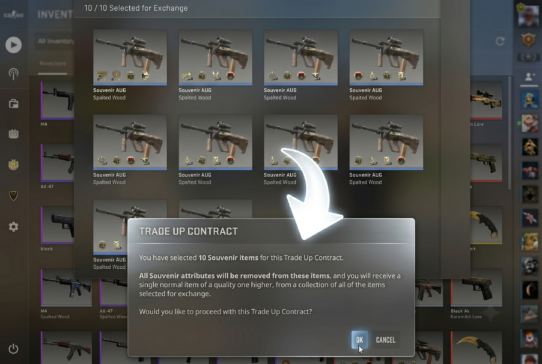
Sticker prices within the Major shop vary, and popular teams or players tend to hold value longer on the Steam Community Market after the event. If you are thinking about long-term investment, autographs from star players and stickers from deep-run teams historically carry more weight. Souvenir-O-Matic crafts let you create custom souvenir skins, which can be a solid flex item on your profile or in your inventory.
Why Consistency Beats A Perfect Bracket Mindset
You do not need to predict every single match correctly. The threshold is five correct picks per stage. That is a realistic target if you approach each stage with discipline.
Chasing a flawless bracket leads to risky, high-variance choices that tank your overall accuracy. The Diamond Coin rewards steady, stage-over-stage performance. Think of it like a grind where showing up prepared each stage matters more than one flashy prediction. If you nail five out of eight or nine picks per stage, you are on pace for Diamond. That is the mindset.
Tournament Format And Why Stage Structure Drives Your Picks
The IEM Cologne Major 2026 uses a multi-stage structure that directly shapes how you should think about every prediction. Each stage has different team pools, match formats, and elimination pressure. Your approach needs to shift accordingly.
The Three-Stage Path Before The Arena Weekend
According to Liquipedia’s tournament overview, the IEM Cologne Major 2026 features four stages total. Stage 1 runs June 2 to June 5, with 16 teams in a Swiss format. Stage 2 follows with the other half of the field plus advancing teams. Stage 3 moves to the Palladium venue with live audiences for each match.
The single-elimination playoffs take place at the LANXESS Arena, which is the signature LAN experience of the event. Each stage narrows the field, and your predictions need to account for how teams perform under escalating pressure and shifting conditions.
Swiss Progression, Elimination Pressure, And Advancement Math
The Swiss system means teams play until they reach three wins (advance) or three losses (eliminated). Round 1 matchups are seeded, but from Round 2 onward, you face opponents with the same record.
This creates a funnel effect. After Round 1, the 1-0 teams face other 1-0 teams. By Round 3, you have elimination matches (1-2 vs 1-2) and advancement matches (2-0 vs 2-0) happening simultaneously. The practical takeaway: a team’s Round 1 opponent matters, but their path through subsequent rounds is unpredictable. This is why picking individual match winners is less important than identifying which teams have the overall floor to reach three wins.
How BO1 Volatility Changes Early Calls
Stage 1 and Stage 2 typically feature BO1 (best-of-one) matches in the early rounds, switching to BO3 for elimination and advancement games. BO1s are notoriously volatile in Counter-Strike 2. A single map pick or a strong CT-side read can swing an entire series.
This means upsets happen at a much higher rate in early Swiss rounds. Teams with deep map pools have an edge because they can control the veto more effectively. Do not treat early-round BO1 results as reliable indicators of team strength. They are coin-flip territory for evenly matched rosters.
Why Single-Elimination Playoffs Require A Different Read
Once the field reaches the single-elimination playoffs at the LANXESS Arena, every match is do-or-die in a BO3 format. There is no lower bracket safety net.
This changes your evaluation criteria. In Swiss stages, you look for teams with a solid floor, ones that can grind out three wins even if they drop a game. In the playoffs, you are looking for ceiling. Which team can peak on the biggest stage? Which roster has LAN experience at this level? Which squad has the firepower to close out a tight third map? Seeding matters more here because it determines opponent paths. A favorable bracket draw can be the difference between a quarterfinal exit and a trophy run.
IEM Cologne 2026 Pick’Em Stage 1 Strategy
Stage 1 features 16 teams competing in the Swiss format from June 2 to June 5. This pool includes a mix of rising contenders, experienced rosters, and regional qualifiers. Your job is to identify which teams advance and which get sent home.
How To Approach Stage 1 Pick’Em Without Overcommitting To Favorites
The temptation in Stage 1 is to stack your “will advance” picks with every name you recognize. Resist that. Stage 1 has a lot of teams that mostly play online, and tier-2 teams often perform differently at Majors.
Teams like GamerLegion and Heroic carry reputations, but reputations do not guarantee Swiss stage exits. Rosters like FlyQuest, M80, and Team Liquid (with EliGE, NAF, and snax providing experienced cores) have shown they can compete when the format rewards adaptability. Spread your confidence across teams with consistent recent form rather than loading up on big names.
Safer Advancement Profiles Vs Riskier 3-0 Upside
For your 3-0 pick, you want a team that is genuinely strong but not so obvious that everyone picks them. A team with a favorable Round 1 matchup, a deep map pool, and momentum from recent results is the profile to target.
Gaimin Gladiators or a team on a strong run into the Major could fit this slot. The key is that a 3-0 pick only pays off if you do not also place that team in your general “advance” pool, which means you lose the safe credit if they advance but drop a map along the way. If you are not confident in a team going undefeated, slot them into the general advance group and pick a higher-risk 3-0 dark horse instead.
What To Look For In A 0-3 Candidate
Your 0-3 pick is the team you expect to lose every series. Look for rosters with limited LAN experience, narrow map pools, and recent form that suggests they qualified on momentum that has since faded.
Teams like B8, SINNERS, Lynn Vision, Sharks, or MIBR could fit this profile depending on their form heading into the event. Check head-to-head results and regional context. A team that dominated their qualifier but has never performed at a Major is a classic 0-3 candidate. The trap is picking a team that is bad but not the worst, which wastes the slot.
Stage 1 Deadline Awareness Before Matches Begin
All Stage 1 predictions must be locked before June 2. The exact cutoff is typically right before the first game starts, but do not cut it close. The windows between stages are tight, and many users forget or miss the deadline entirely.
Set a reminder for June 1 at the latest. Lock your picks the night before if possible. A missed deadline means zero points for the stage, which puts your Diamond Coin run in serious jeopardy before a single map is played.
How To Research Better Picks Across Stages 2, 3, And Playoffs
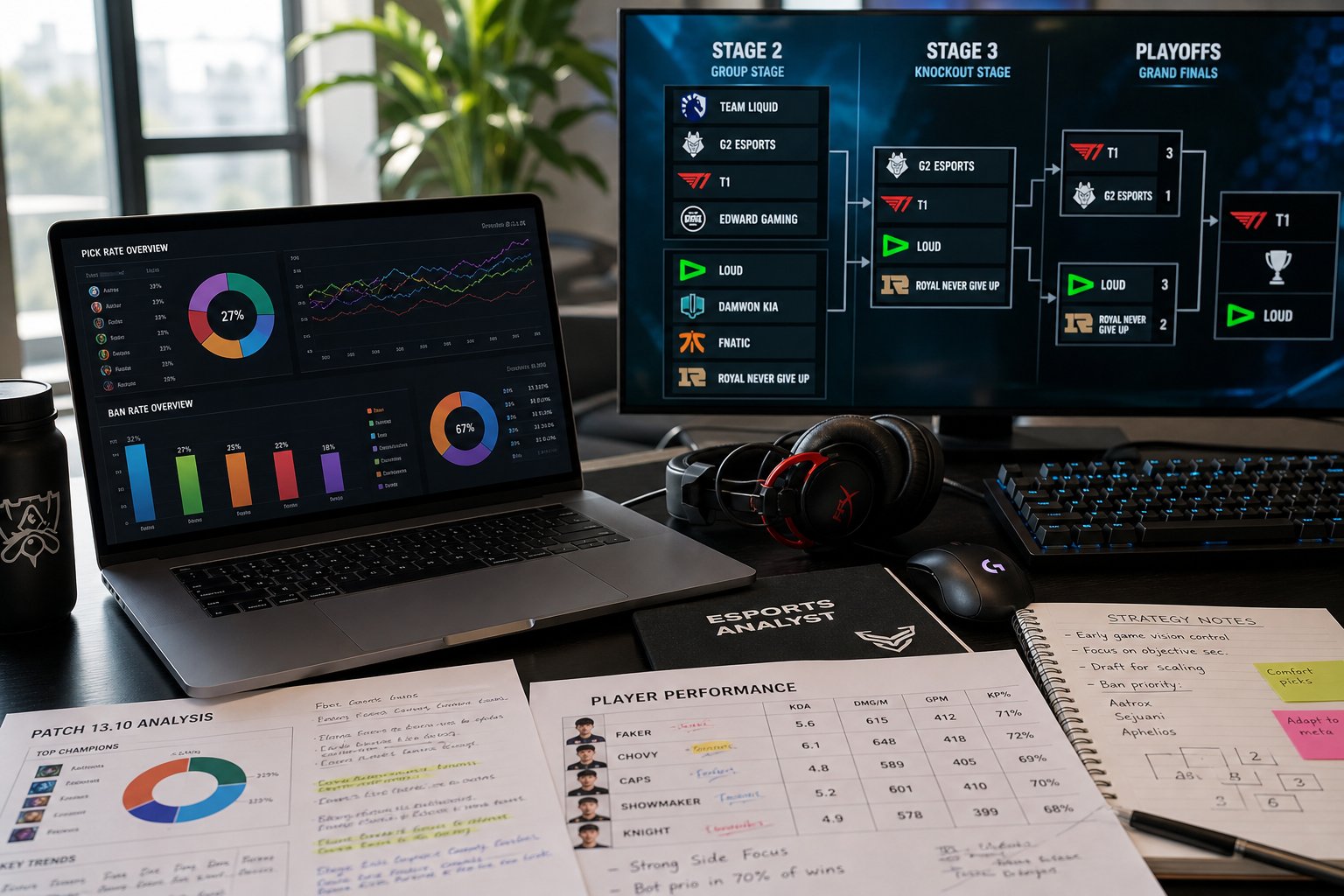
After Stage 1, the field changes. You will have fresh data from the opening rounds, and the remaining stages introduce higher-seeded teams and more consequential matchups. Your research framework needs to evolve with the tournament.
Using Recent Form From IEM Atlanta 2026 And PGL Astana 2026
The two biggest reference points heading into Cologne are IEM Atlanta 2026 and PGL Astana 2026. Look at how teams performed under LAN conditions, not just their online league records.
A team that bombed out of Astana but dominated online is a risky pick at a Major. Conversely, a roster that showed strong LAN composure at Atlanta, even without winning the event, likely carries that form into Cologne. VRS ranking context helps here too: teams that climbed in the rankings after recent LAN results are trending upward, while teams that dropped despite online wins are a red flag.
When To Trust Structure Over Hype
Community hype around specific players or roster moves can skew public perception. A flashy transfer does not automatically translate to cohesive Counter-Strike 2 play, especially if the new roster has had limited practice time.
Trust what the format tells you. In Swiss stages, consistency matters. In playoffs, peak performance and map pool depth matter. If a team has a proven system and experienced in-game leadership, that is more predictive than raw firepower additions. Natus Vincere, for example, always enters Majors with expectations, but their actual form at the specific event is what you should evaluate, not their legacy.
How To Weigh Seeding, Opponent Paths, And Regional Strength
Seeding determines Round 1 matchups in Swiss stages and bracket position in playoffs. A top seed facing the weakest qualifier in Round 1 has a significantly easier path to 3-0 than a mid-seed matched against another strong team.
Use tools like the Counter-Strike Pick’Em Simulator or the Majors.im simulator to model different outcomes and understand how Buchholz tiebreakers and seeding affect matchup probabilities. Regional strength also matters: CIS and European teams historically travel well to Cologne, while teams from regions with less frequent LAN exposure can struggle with the venue, crowd, and schedule.
Adjusting Your Logic Once The Field Reaches The Final Bracket
By the time the playoff bracket is set at the LANXESS Arena, you have seen every remaining team play multiple series on LAN. This is where your earlier research pays off or falls apart.
Do not anchor to your pre-tournament reads. If a team you expected to dominate barely survived Swiss stages, adjust. If a dark horse looked electric in every round, give them credit in the bracket. Playoff Pick’Ems reward reactive thinking. The single-elimination format means one upset eliminates a contender. Favor teams with strong BO3 records, LAN composure, and map pool versatility. Third-party Pick’Em platforms can show you community consensus, which is useful for identifying where the public might be overvaluing a specific team.
Frequently Asked Questions
When does the IEM Cologne 2026 Pick’Em start and end for the event?
The Pick’Em challenge opened with the May 22, 2026 CS2 update and runs through the conclusion of the IEM Cologne Major 2026 playoffs on June 21, 2026. Each stage has its own prediction window and deadline, so you will need to submit picks multiple times throughout the event.
How do I submit my stage predictions and lock them in before matches begin?
Open Counter-Strike 2, navigate to the Major Hub on the main menu, and select the Pick’Em challenge. Choose your predictions for the current stage and confirm them. All Stage 1 picks must be locked before the first match on June 2, and mobile workarounds exist if you cannot access your PC.
Which teams are participating and how are they seeded in the initial stage?
The IEM Cologne Major 2026 features 32 teams split across stages. Stage 1 includes 16 teams seeded based on regional qualifier performance and VRS rankings. The remaining 16 enter in Stage 2. Full rosters and seedings are available in the Major Hub and on sites like Liquipedia.
What are the best strategies for choosing 3-0 and 0-3 picks in the pick’em challenge without risking too much?
For your 3-0, pick a team with a favorable Round 1 draw and strong recent LAN form that you are willing to exclude from your general advance group. For 0-3, target the team with the weakest map pool, least LAN experience, and a difficult opening matchup. Avoid picking a team you think might steal one series, as that wastes the slot.
How are points awarded for correct predictions across each stage of the tournament?
You earn points for each correct prediction within a stage. Reaching five correct predictions in a stage upgrades your Challenge Coin by one tier. Each upgrade from Bronze to Silver, Silver to Gold, and Gold to Diamond also awards 300 tokens redeemable in the Major shop.
What rewards can I earn from completing the challenge and how do I claim them?
The primary rewards are your upgraded Challenge Coin (displayed on your CS2 profile) and up to 900 tokens across three upgrades. Tokens can be spent on team stickers, player autographs, and Souvenir-O-Matic crafts inside the Major Hub. All rewards are tied to your CS2 account and appear automatically once you hit the required thresholds.